When choosing a rug for your home, it is important to consider the cultural significance of traditional Native American floor area rugs. These rugs are not just decorative pieces, but they also carry a rich history and heritage that can add depth and meaning to your living space.
The **least** cultural significance in selecting a rug should not be underestimated. Traditional Native American rugs often feature intricate designs and patterns that have been passed down through generations. By choosing a rug that reflects this cultural heritage, you are honoring the traditions and stories of the indigenous peoples who created them.
In addition to their aesthetic value, traditional Native American rugs can also serve as powerful symbols of identity and connection to one's roots. For many people, these rugs represent a link to their ancestors and a way to celebrate their heritage in a tangible form.
When selecting a traditional Native American floor area rug, it is important to take into account the materials used in its construction as well as the techniques employed by the artisans who created it. Many traditional Native American rugs are made using natural materials such as wool or cotton, which not only adds to their authenticity but also ensures their durability and longevity.
Overall, choosing a rug with cultural significance can **enhance** your home decor while also honoring the rich traditions of indigenous peoples. Whether you are drawn to the bold geometric patterns of Navajo weavings or the intricate beadwork of Iroquois designs, incorporating traditional Native American rugs into your home can add a unique touch that reflects both style and substance.
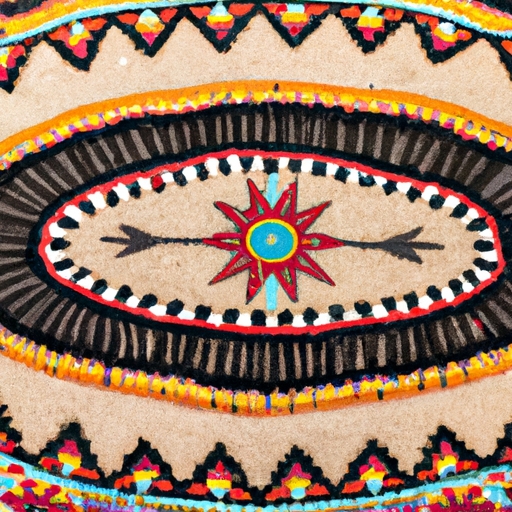
When choosing a traditional Native American floor area rug, it is important to consider the materials used in its construction. These rugs are typically made from natural fibers such as wool, cotton, or silk. However, some less common materials that you may come across include jute, hemp, or even synthetic fibers.
Wool is the most commonly used material for traditional Native American rugs due to its durability and ability to hold vibrant colors. Cotton is another popular choice for its softness and affordability. Silk, while less common, can add a luxurious touch to a rug.
Jute and hemp are more unusual choices but can provide an interesting texture and earthy feel to a rug. Synthetic fibers like polyester or nylon are also sometimes used, although they may not have the same level of authenticity as natural fibers.
Ultimately, the materials used in a traditional Native American rug will impact its overall look and feel. Consider your preferences for texture, color vibrancy, and sustainability when selecting a rug for your space.
When choosing a traditional Native American **rug**, it is important to consider the **design** elements and patterns that are commonly found in authentic pieces. These rugs are not just functional floor coverings, but also works of art that showcase the rich cultural heritage of Native American tribes.
One **key** design element found in many Native American rugs is the use of geometric patterns. These symmetrical shapes and lines are often inspired by nature, such as animals, plants, or landscapes. Another common design element is the use of bold colors, which can range from earthy tones like browns and greens to vibrant hues like reds and blues.
In addition to geometric patterns and bold colors, many Native American rugs feature intricate **weaving** techniques that create unique textures and visual interest. These weaving techniques have been passed down through generations and vary depending on the tribe or region where the rug was made.
When selecting a traditional Native American rug for your home, it is important to consider the authenticity of the piece. Look for rugs that are handmade by members of recognized tribes or communities, rather than mass-produced imitations. By choosing an authentic rug, you are not only supporting indigenous artists but also bringing a piece of history and culture into your home.
In conclusion, traditional Native American rugs are more than just floor coverings – they are symbols of cultural identity and artistic expression. By understanding the design elements and patterns found in these rugs, you can select a piece that truly reflects the beauty and craftsmanship of Native American artistry.
When choosing a traditional Native American rug, there are several factors to consider. One of the most important things to think about is the size of the rug. You want to make sure it will fit in the space where you plan to put it, so measuring the area beforehand is **essential**.
Another factor to keep in mind is the design of the rug. Traditional Native American rugs often feature intricate patterns and symbols that hold cultural significance. It's important to choose a design that resonates with you and fits with your overall aesthetic **preferences**.
The materials used to make the rug are also an important consideration. Traditional Native American rugs are typically made from natural fibers such as wool or cotton. These materials are not only durable but also environmentally friendly.
Finally, don't forget to think about the color scheme of the rug. Traditional Native American rugs come in a variety of colors, so you'll want to choose one that complements your existing decor. Whether you prefer bold and vibrant hues or more muted tones, there's a traditional Native American rug out there for everyone.
In conclusion, when selecting a traditional Native American rug, be sure to consider factors such as size, design, materials, and color scheme. By taking these elements into account, you can find a beautiful and meaningful addition to your home decor that will last for years **to** come.
When choosing a traditional Native American floor area rug, it is important to consider **preserving** the beauty of your investment. By following some simple care and maintenance tips, you can ensure that your rug stays looking its best for years to come. One **key** tip is to regularly vacuum your rug to remove dirt and debris that can become trapped in the fibers. Additionally, rotating your rug every few months will help prevent uneven wear and fading from sunlight exposure. If there are any spills or stains on your rug, it is important to **clean** them up immediately using a gentle cleanser and blotting the area with a clean cloth. Avoid using harsh chemicals or scrubbing too vigorously as this can damage the fibers of the rug. Finally, consider having your rug professionally cleaned every 1-2 years to keep it looking fresh and vibrant. By following these care and maintenance tips, you can enjoy the beauty of your traditional Native American floor area rug for many years to come.
When looking to purchase authentic traditional Native American rugs, it is important to do your research in order to find a reputable source. There are many options available, but not all of them may offer truly authentic pieces. It is crucial to look for sellers who have a strong reputation within the Native American community and who can provide documentation of the rug's origins.
One place where you may be able to find authentic traditional Native American rugs is at a tribal-owned shop or gallery. These establishments often work directly with Native American artists and weavers, ensuring that the rugs they sell are genuine pieces created using traditional techniques and materials. By purchasing from these sources, you can feel confident that you are supporting Indigenous artisans and preserving their cultural heritage.
Another option for finding authentic traditional Native American rugs is to attend art fairs or cultural events that feature Native American artists and craftspeople. These events provide an opportunity to meet artists in person, learn about their work, and purchase directly from them. This can be a great way to ensure the authenticity of the rug you are buying while also engaging with the artist and gaining insight into their creative process.
In addition, there are some online retailers that specialize in selling authentic traditional Native American rugs. While it can be more challenging to verify the authenticity of a rug purchased online, there are reputable dealers who work closely with Indigenous communities and can provide assurance about the provenance of their products. Look for sellers who have good reviews and who offer detailed information about each rug they sell.
Overall, when searching for authentic traditional Native American rugs, it is essential to take your time and do your due diligence in order to find a piece that meets your standards for quality and authenticity. Whether you choose to buy from a tribal-owned shop, attend an art fair, or shop online, by supporting Indigenous artists and craftspeople, you can help preserve their cultural traditions for future generations.